
Commercial Kitchen GFCI Requirements: 2026 U.S. Code and Buyer Guide
A practical U.S. guide to commercial kitchen GFCI requirements, equipment coverage, breaker-versus-receptacle selection, testing, and purchasing specifications.

A practical U.S. guide to commercial kitchen GFCI requirements, equipment coverage, breaker-versus-receptacle selection, testing, and purchasing specifications.
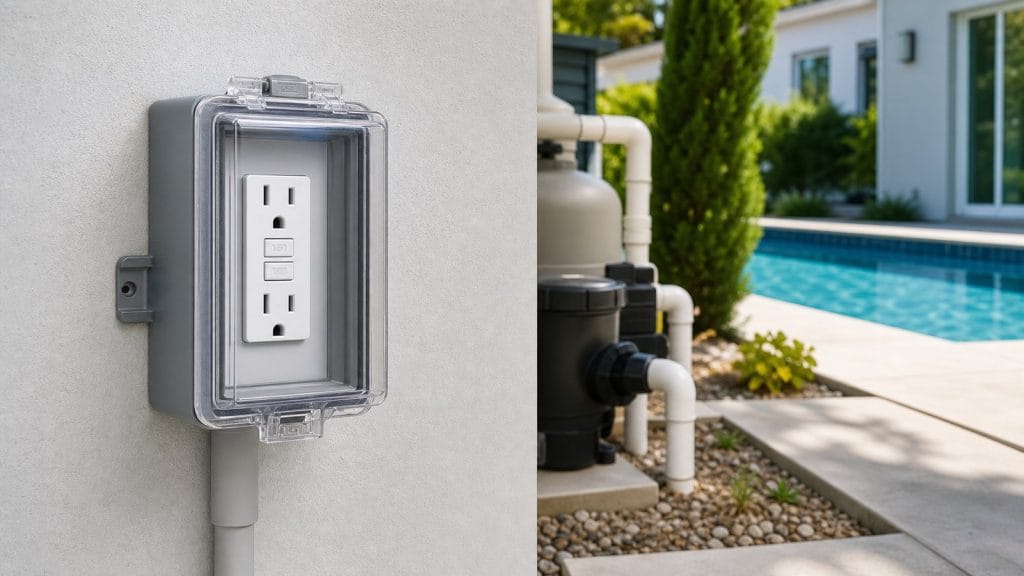
A practical U.S. guide to GFCI protection for pool and spa receptacles, pump motors, equipment rooms, outdoor covers, testing, and buyer specifications.
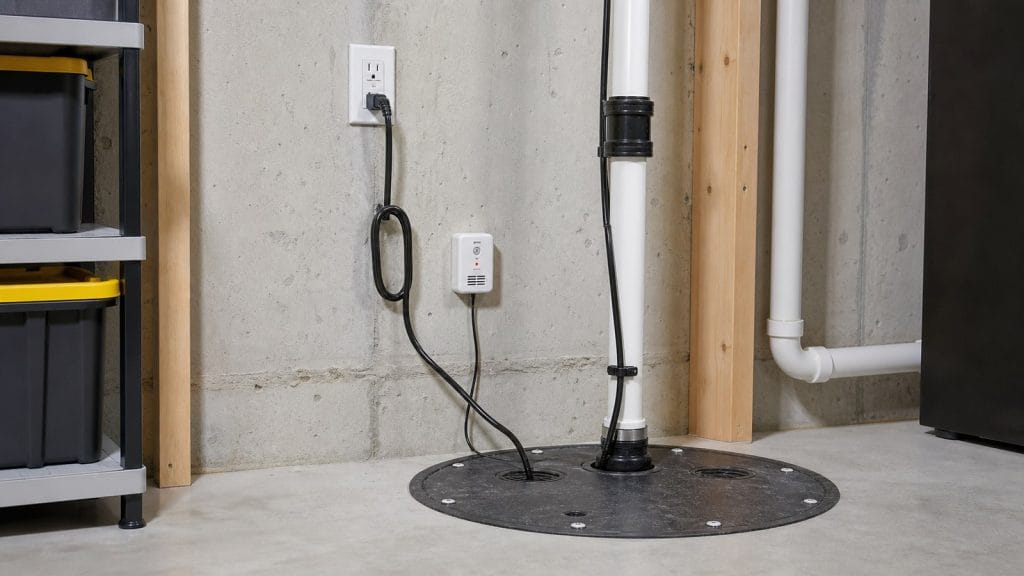
Recent U.S. electrical codes generally require GFCI protection for sump pumps. Learn the code path, safe trip diagnosis, device selection, and backup planning.
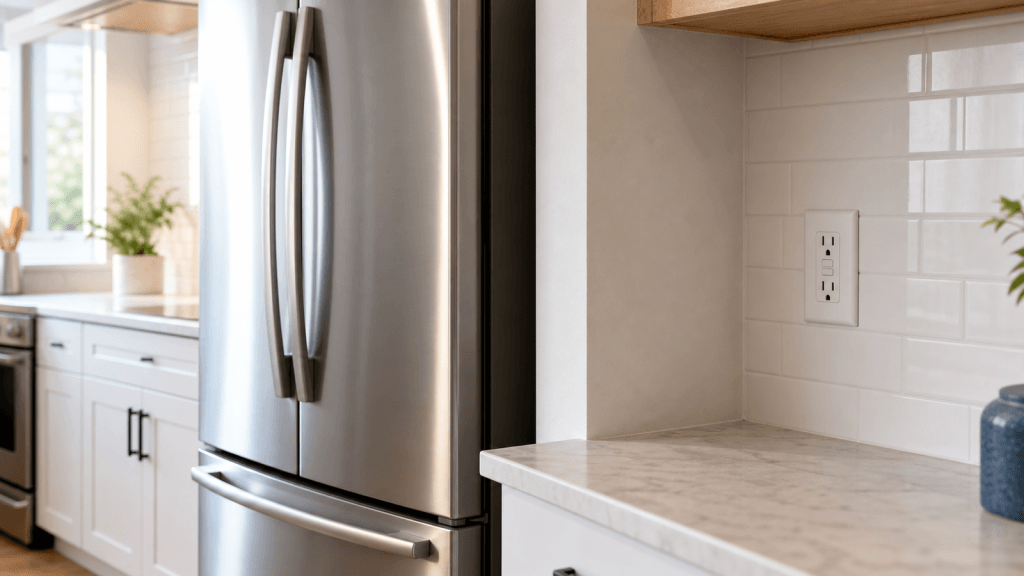
A refrigerator’s GFCI requirement depends on location and adopted code. Compare kitchen, garage, and basement rules, 2026 HF-rated GFCIs, and safe trip diagnosis.
A GFCI and a surge protector address different hazards. Learn how ground-fault, surge, and overload protection differ—and when a project may need all three.
A blank-face or dead-front GFCI provides TEST/RESET access and downstream ground-fault protection without adding a plug-in receptacle. Learn where it fits and what contractors and buyers should verify.
There is no universal expiration date for a GFCI outlet. Learn how test results, condition, environment, self-test indicators, and maintenance records determine when replacement is necessary.
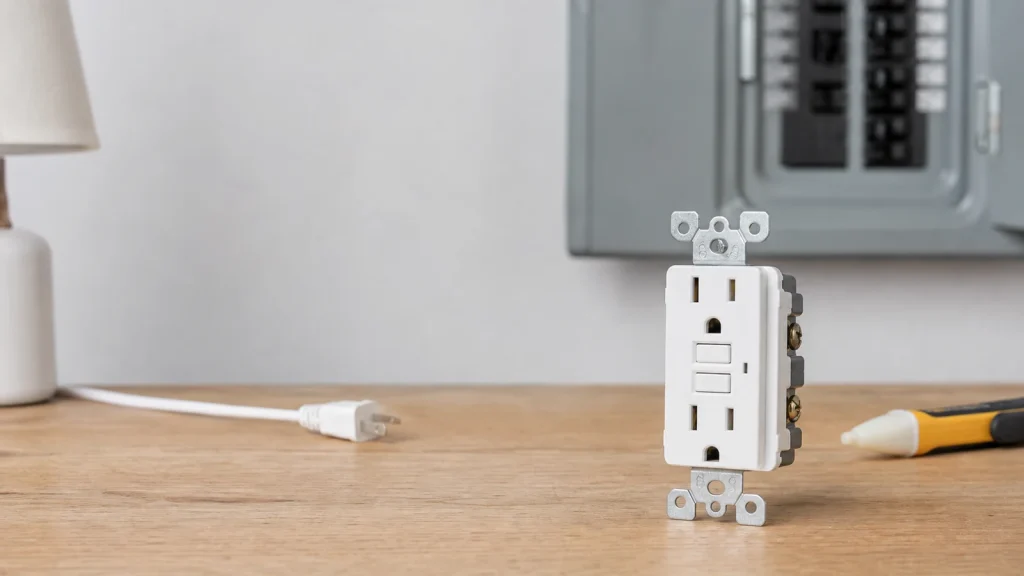
A GFCI that will not reset is usually signaling no incoming power, a continuing fault, moisture, incorrect wiring, reset lockout, or device failure. Use this safe troubleshooting sequence before deciding whether replacement is appropriate.
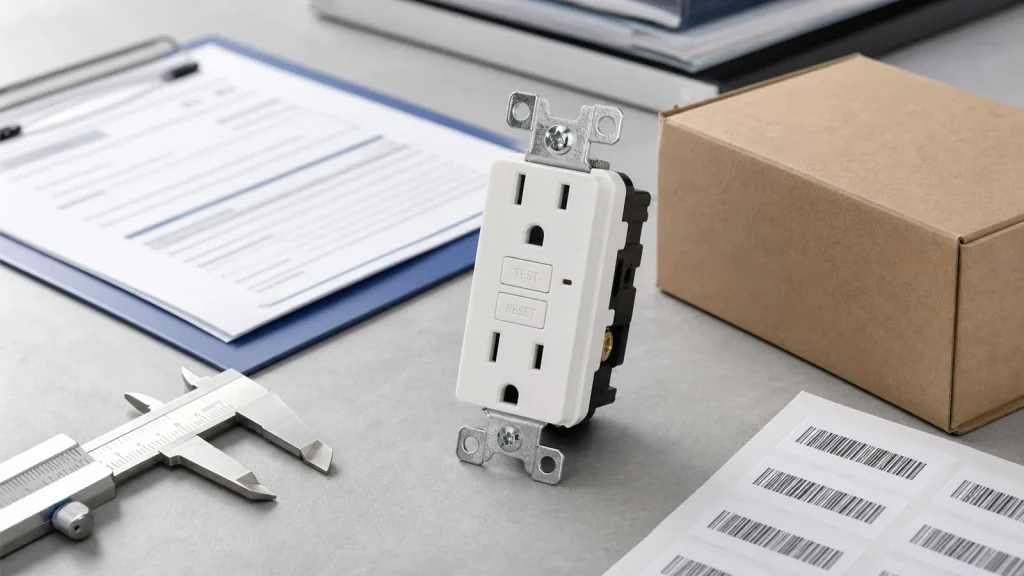
Private labeling a GFCI is not just printing a logo on a faceplate. Use this buyer-focused guide to control certification scope, model numbers, packaging, samples, testing records, and shipment release for the U.S. market.
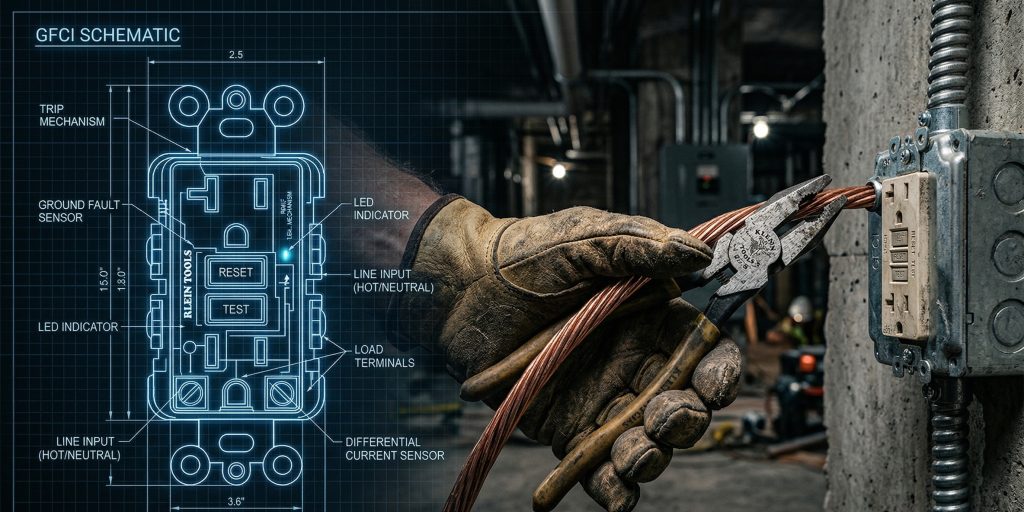
A GFCI outlet that won’t reset or suddenly stops working is one of the most common electrical issues in residential

Electrical safety is a core concern in any commercial building. Offices, restaurants, warehouses, retail stores, and industrial facilities all operate
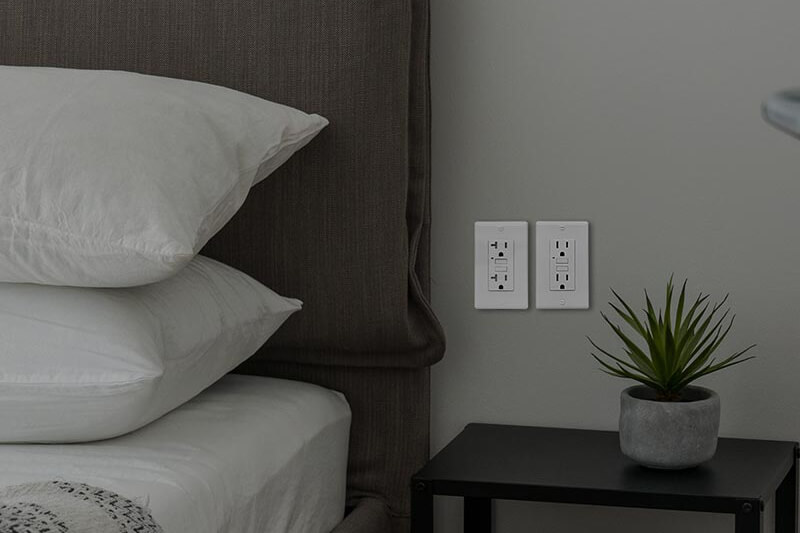
GFCI outlets—Ground Fault Circuit Interrupters—are non-negotiable in wet or high-risk locations. They trip on ground faults as low as 4-6