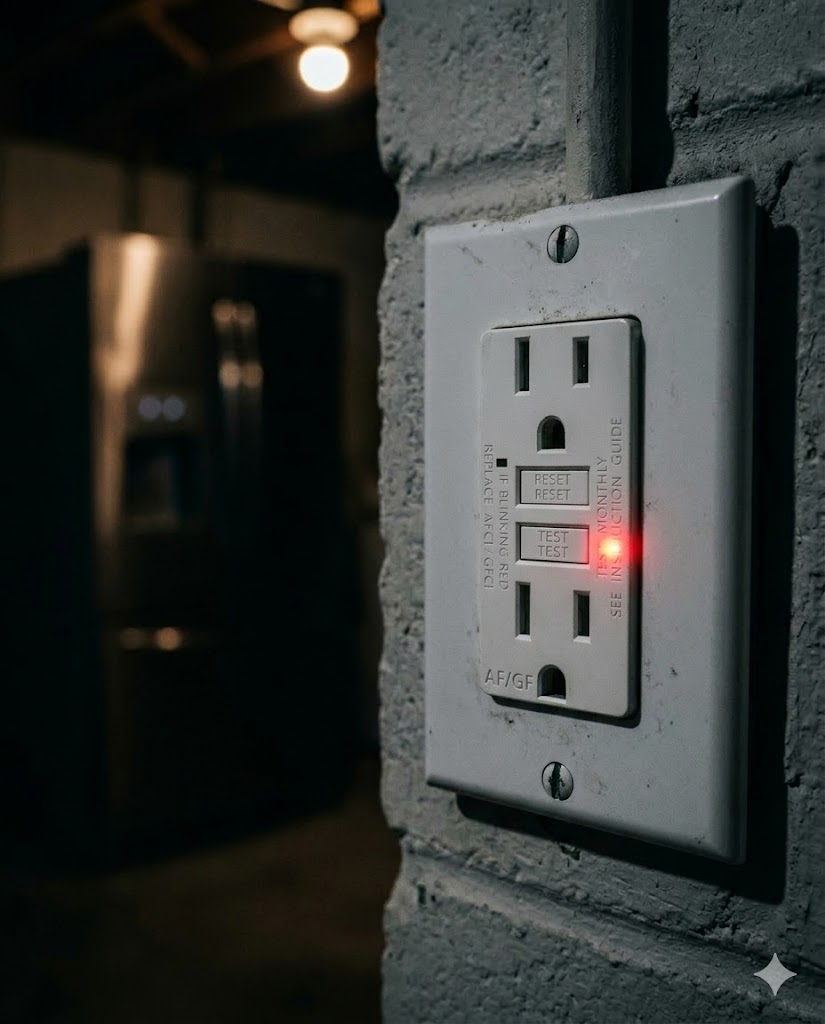
Generator rooms house standby or portable generators that provide backup power during outages. These spaces often double as garages, accessory buildings, basements, or sheds. They carry specific electrical risks due to moisture, maintenance work, and equipment connections. Ground Fault Circuit Interrupter (GFCI) protection serves as the primary safeguard against shocks and related fires in these environments.
GFCI devices monitor current flow on the hot and neutral conductors. When they detect an imbalance—typically 4 to 6 mA, indicating leakage through a person, water, or damaged insulation—they interrupt power in under 25 milliseconds. This response time prevents serious injury or death from electrocution. Unlike standard circuit breakers, which handle overloads and short circuits, GFCIs focus solely on ground faults.
In practice, Class A GFCIs (the standard for personnel protection at 120V–240V circuits) trip at around 5 mA. Newer models include auto-monitoring per UL 943 updates effective since 2021. These devices perform periodic self-tests without interrupting the circuit and signal end-of-life when protection degrades.
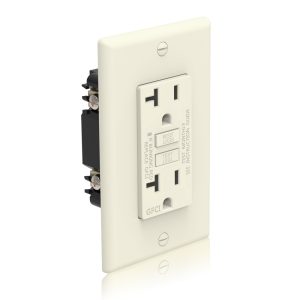
What Is GFCI and How Does It Work?
A ground fault occurs when current finds an unintended path to ground—through a person’s body, wet surfaces, or faulty wiring. Electricity seeks the easiest return route, and in damp conditions, that path can be human tissue.
GFCI receptacles sense the difference between incoming and outgoing current. Even small discrepancies trigger the internal mechanism to open the contacts almost instantly. This cuts power before current reaches lethal levels.
Common types include:
- Receptacle-type: Installed directly at the outlet, familiar wall-mounted version.
- Circuit-breaker type: Mounted in the panel, protects the entire downstream branch.
- Portable type: Cord-integrated units for temporary tool use during maintenance.
Portable versions suit generator room servicing but should not replace fixed installations. All types require monthly manual testing via the TEST button—press it, power should drop; then RESET to restore. If testing fails, replace immediately, even if the outlet still passes normal power.
Auto-monitoring adds reliability. It runs silent checks and alerts when the device can no longer protect properly.
In generator rooms, this mechanism addresses the constant threat of condensation from cooling systems or exhaust heat meeting cooler air.
Why Generator Rooms Are High-Risk Environments
Generator rooms rarely stay dry. Standby units produce heat and humidity during operation or testing. Cooling vents and exhaust systems pull in moist air. Basements or attached garages often have concrete floors that conduct well when damp.
Maintenance adds exposure. Monthly no-load tests, battery charging, or tool use near live parts increase contact risks. Vibration from the engine can loosen connections over time, leading to insulation wear.
Portable generators with bonded neutrals can send fault current through unintended paths. Standby setups involve transfer switches and wiring runs that may pass through humid zones.
Ground faults in these conditions produce heat, arcing, or sparks. In confined spaces, that quickly escalates to fire. CPSC and NFPA data show garages and sheds rank high in electrical shock incidents, especially where power tools meet moisture.
Without protection, a simple slip while plugging in a test cord can complete a lethal circuit.
NEC Requirements for GFCI in Generator Rooms
The National Electrical Code (NEC) addresses generator rooms through classification. Most fall under garages, accessory buildings, or basements—locations requiring GFCI under Article 210.8(A) for dwelling units.
NEC 210.8(A) mandates GFCI protection for all 125-volt through 250-volt receptacles in garages and accessory buildings not intended as habitable spaces (limited to storage, work, or similar use). The 2023 NEC clarified that security system receptacles do not satisfy receptacle requirements in these areas, and GFCI remains mandatory. The 2026 NEC separates garages from accessory buildings for clearer application but maintains the protection rule.
For portable generators under 15 kW, NEC 445.20 requires GFCI on 125-volt, 15- and 20-ampere receptacles, with specifics for bonded vs. unbonded neutrals.
UL 943 governs GFCI devices themselves, requiring Class A performance and auto-monitoring in newer units.
Non-compliance risks inspection failure, insurance complications, or liability in an incident. Install GFCIs in readily accessible locations for easy testing.
These rules exist because generator rooms share the same damp, tool-heavy hazards as garages.
Key Benefits of Using GFCI in Generator Rooms
GFCI cuts shock risk dramatically. In wet or conductive conditions, it stops current flow before it crosses the heart—often the difference between a tingle and a fatality.
It limits fire potential. Ground faults generate heat; quick interruption prevents sustained arcing in wiring or equipment.
Equipment lasts longer. Fault currents damage generators, chargers, or tools; protection isolates issues early.
Compliance simplifies inspections and reduces insurance hurdles. For contractors and facility managers, it demonstrates due diligence.
The upfront cost is low compared to downtime, medical claims, or property loss from an avoidable accident.
Where Should GFCI Be Installed in Generator Rooms?
Cover all general-use receptacles: 125-volt through 250-volt, 15- and 20-ampere outlets on walls, near transfer switches, or at maintenance points.
Prioritize the transfer switch area—where battery chargers or test tools plug in. Include any outlet within reach of water sources or damp floors.
Use weather-resistant models near vents or exhaust paths. Keep devices readily accessible—no ceiling mounts requiring ladders.
Generator-built GFCIs only cover their onboard outlets. Room wiring needs separate protection.
For temporary work, portable GFCI cords help, but fixed receptacles demand built-in or breaker-type units.
Monthly testing at these points ensures ongoing function.
GFCI vs AFCI: Do You Need Both?
| Feature | GFCI | AFCI |
| Primary protection | Ground faults (leakage to ground) | Arc faults (series/parallel arcs from damaged wiring) |
| Main hazard addressed | Electric shock in damp areas | Electrical fires from arcing |
| Trip mechanism | Current imbalance (4-6 mA) | Arc signatures in waveform |
| Typical locations | Garages, basements, outdoors | Bedrooms, living areas, hallways |
| Generator room priority | High (moisture, tools, concrete) | Lower (unless old wiring present) |
GFCI prevents shocks—critical in generator rooms with humidity and frequent plugging/unplugging.
AFCI stops fires from arcing in hidden wiring. In most generator setups, arc faults rank lower than ground faults.
Dual-function devices combine both if the branch serves mixed areas. For pure generator room receptacles, GFCI takes precedence.
Install either by a qualified electrician to match the hazard profile.
Choosing the Right GFCI for Generator Room Applications
Select UL/ETL-listed Class A devices rated for the voltage and amperage in use—typically 15/20A, 125V.
Look for auto-monitoring to catch failures early. Industrial-grade models handle vibration and temperature swings better than residential ones.
Receptacle-type works for wall outlets. Circuit-breaker type protects multiple downstream points from the panel.
Waterproof or weather-resistant enclosures suit areas near cooling or exhaust.
USB combination models add convenience for charging phones or tools during long tests.
Test monthly. Train staff on operation. Replace at end-of-life indication.
Faith Electric offers UL/ETL-certified GFCI receptacles tailored for North American contractors. Our 28 years of focus on the market deliver durable options, including USB-integrated and tamper-resistant versions, plus matching switches and wall plates for complete wall solutions.
Conclusion
Generator rooms demand GFCI protection. Moisture from operation, maintenance exposure, and conductive surfaces create real shock and fire risks. NEC rules—primarily through 210.8(A) for garages and accessory buildings—make it mandatory in most installations.
Proper GFCI installation protects people first, then equipment and property. It ensures inspections pass and operations continue without preventable interruptions.
Contact us for product specs, samples, or application advice. Safety starts with the right components.