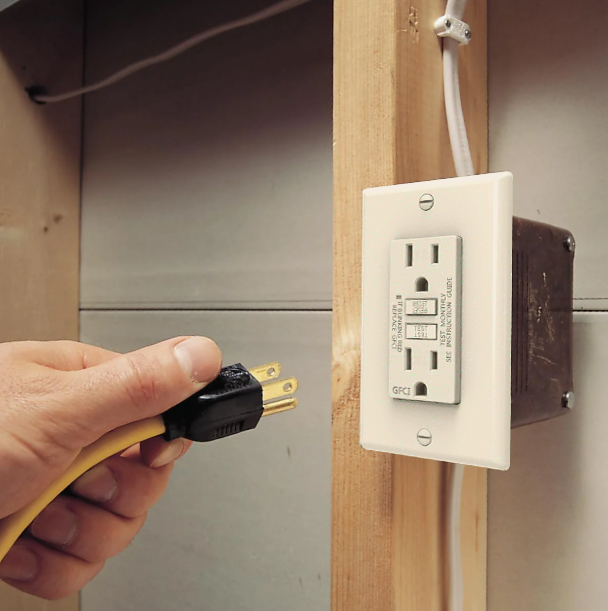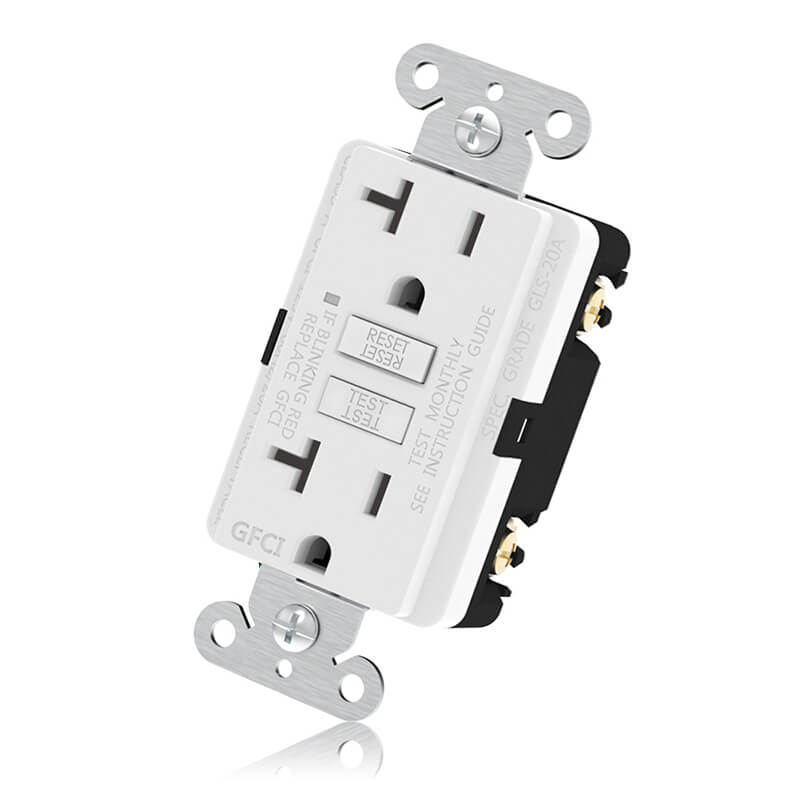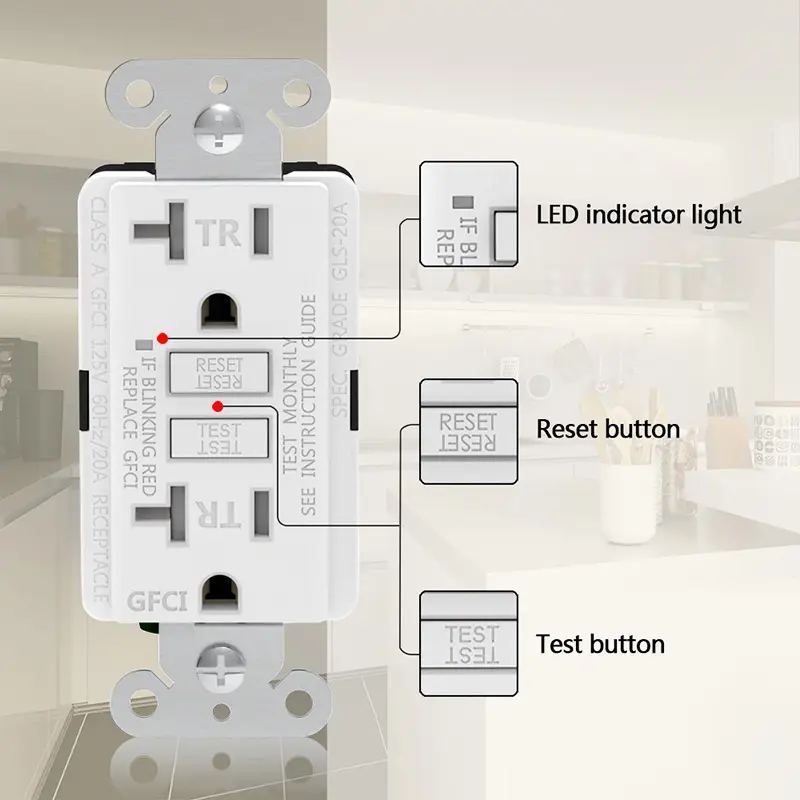
Ground Fault Circuit Interrupter (GFCI) outlets are a basic safety requirement in both residential and commercial electrical systems. Most electricians and contractors are familiar with where GFCIs are required. Fewer stop to consider whether the same type of GFCI outlet is appropriate for every environment.
On the surface, residential and commercial GFCI outlets look similar. They perform the same core function and often share the same certifications. In practice, they are designed for very different usage conditions. Choosing the wrong type may not cause immediate failure, but it often leads to nuisance tripping, shorter service life, or inspection issues later.
This article explains the real differences between residential and commercial GFCI outlets, from a product and application perspective, and offers practical guidance for proper selection.
What Are Residential GFCI and Commercial GFCI Outlets?
Residential-grade GFCI outlets target homes and apartments. They meet basic UL safety rules and NEC requirements for dwelling units. Design focuses on cost, looks, and easy install. You see them in standard duplex shapes, often with tamper-resistant shutters for child safety and USB ports for charging phones or tablets.
Commercial-grade GFCI outlets (sometimes called industrial or specification-grade) target offices, restaurants, hotels, shops, and workshops. They use heavier materials and stronger internals to handle daily abuse—frequent plugging/unplugging, heavier cords, dust, moisture,
heat cycles. They cost more upfront but hold up longer in tough spots.
Both types provide the same ground-fault protection: monitor current imbalance and cut power fast. The grade difference is about durability and application fit, not safety threshold.
Key Differences Between Residential and Commercial GFCI Outlets
Here are the main areas that matter when you’re choosing.
Build Quality & Durability
Commercial units win on construction every time.
- Housing: Residential uses standard plastic. Commercial uses reinforced nylon or polycarbonate—much tougher against impacts, heat, and chemicals.
- Internal contacts: Residential has standard brass or copper alloy. Commercial uses thicker, higher-grade alloy with stronger spring tension. That means better grip on plugs over thousands of cycles.
- Wiring terminals: Residential often includes push-in backstabs (quick but weaker long-term). Commercial sticks to screw-and-clamp only—no backstabs, less chance of loose connections.
- Environmental resistance: Commercial models add gaskets, corrosion-resistant screws, and better seals for damp or outdoor use.
In short, residential works fine for light home use. Commercial handles the beating in high-traffic areas without degrading fast.
Electrical Load & Usage Frequency
Both handle 15A or 20A at 125V standard. Some extend to 250V under NEC rules. But real-world performance diverges.
Residential suits occasional plugging—lamps, chargers, small appliances. Plug in a hair dryer a few times a week? No problem.
Commercial deals with constant use—heavy tools, kitchen gear, medical devices, office equipment. The stronger internals reduce heat buildup and nuisance trips from sustained loads or frequent insertions.
If your outlet sees dozens of plugs per day, commercial grade cuts replacement calls.
Code & Compliance Requirements
NEC 2023 sets different GFCI locations for dwelling units vs. other-than-dwelling (commercial, offices, etc.).
Residential (210.8(A) – Dwelling Units)
Requires GFCI on 125–250V receptacles (single-phase ≤50A to ground) in these spots:
- Bathrooms
- Kitchens
- Sinks with food/beverage prep or cooking provisions
- Buffet serving areas (break rooms with food service)
- Rooftops
- Outdoors
- Indoor damp/wet locations
- Garages/service bays
- Locker rooms/showers
- Aquariums / bait wells
- Laundry areas
- Sinks (within 6 ft, including for fixed appliances)
Voltage same: 125–250V single-phase ≤50A, three-phase ≤100A. Protection can be receptacle, breaker, or feed-through. Local AHJ always has final say—check your jurisdiction.
Commercial rules force GFCI in more places because public spaces see higher risk and heavier use.
Lifespan & Maintenance
Residential GFCI lasts 5–10 years in typical home use. Test monthly with the button; replace when it fails or every 10 years max.
Commercial lasts 10–20+ years in normal conditions, though high-traffic spots may need refresh in 3–5 years. Maintenance is stricter—monthly tests, logs for audits, sometimes thermal scans for hidden issues.
Commercial costs 2–3 times more at purchase, but fewer replacements and downtime make it cheaper long-term in demanding installs.
Can Residential GFCI Be Used in Commercial Projects?
Technically yes—if the receptacle meets Class A UL 943 and covers the 210.8(B) location. NEC doesn’t mandate “commercial grade” wording; it requires listed GFCI protection.
Practically, no—don’t do it. Residential models wear out faster under commercial loads. Loose contacts, overheating, frequent nuisance trips, early failure. That means callbacks, downtime, and liability risk. Inspectors and facility managers often expect commercial grade for durability in public or heavy-use spaces. Stick to commercial grade for commercial jobs. It’s the safe, reliable choice.
How to Choose the Right GFCI for Your Project
Follow this step-by-step when specifying.
- Check usage frequency. Occasional home use? Residential is fine. Daily plugs or heavy cords? Go commercial.
- Look at environment. Dry indoor? Either. Damp, dusty, outdoor, hot? Commercial with weatherproof features.
- Review load. Standard appliances? Residential. Tools, kitchen gear, fixed equipment? Commercial.
- Map to NEC. Use 210.8(A) for homes, 210.8(B) for everything else. Confirm with local AHJ.
- Factor total cost. Residential cheaper now, but commercial saves on service calls and replacements.
- Add features. Need USB charging? Tamper-resistant? Weatherproof cover? Match to job.
For most homes, residential grade works. For kitchens, bathrooms, or any high-use spot—even in homes—commercial grade gives peace of mind. For offices, restaurants, hotels, or shops, commercial grade is the default.
Why Choosing a Certified GFCI Manufacturer Matters
Anyone can stamp “GFCI” on a box. Only UL/ETL listed units pass real testing for trip consistency, durability, and safety under fault. Cheap uncertified or gray-market products fail early, skip trips, or cause nuisance issues. In worst cases, they create fire or shock hazards.
Faith Electric has 28 years focused on North America. Every GFCI we make carries UL/ETL certification. We test for real-world cycles, heat, and moisture. We offer full lines—residential and commercial grades, plus USB combos, AFCI options, switches, and wall plates. You get consistent quality, reliable supply, and support for bids or installs.
Conclusion
Residential and commercial GFCI outlets deliver the same core protection. The split comes down to build, endurance, and fit for the job. Use residential for standard home work. Upgrade to commercial for high-frequency spots in homes or any commercial setting. Always pick UL/ETL listed, test monthly, and follow current NEC.
Ready to spec? Browse our UL-listed GFCI Outlets lineup or reach out. We’re here to help your next project stay safe and on code.

FAQ
Can I use commercial-grade GFCI in a home?
Yes—and we recommend it for kitchens, bathrooms, garages, or any heavy-use area. It lasts longer and handles abuse better.
Why pay more for commercial grade?
Materials and construction cost more, but you replace them far less. In busy spots, it pays back fast.
What changed in 2023 NEC for GFCI?
Expanded voltage to 125–250V in listed spots. Residential kitchens now cover all receptacles. Commercial added buffet areas, clearer sink rules, and more food-prep zones—now 15 locations total under 210.8(B).
How do I test a GFCI?
Press TEST monthly. It should trip. Press RESET to restore. If it won’t trip or reset, replace immediately.
Does Faith Electric make both grades?
Yes. Full UL/ETL certified residential and commercial GFCI options, plus complete wall solutions for North American contractors. Contact us for specs or samples.