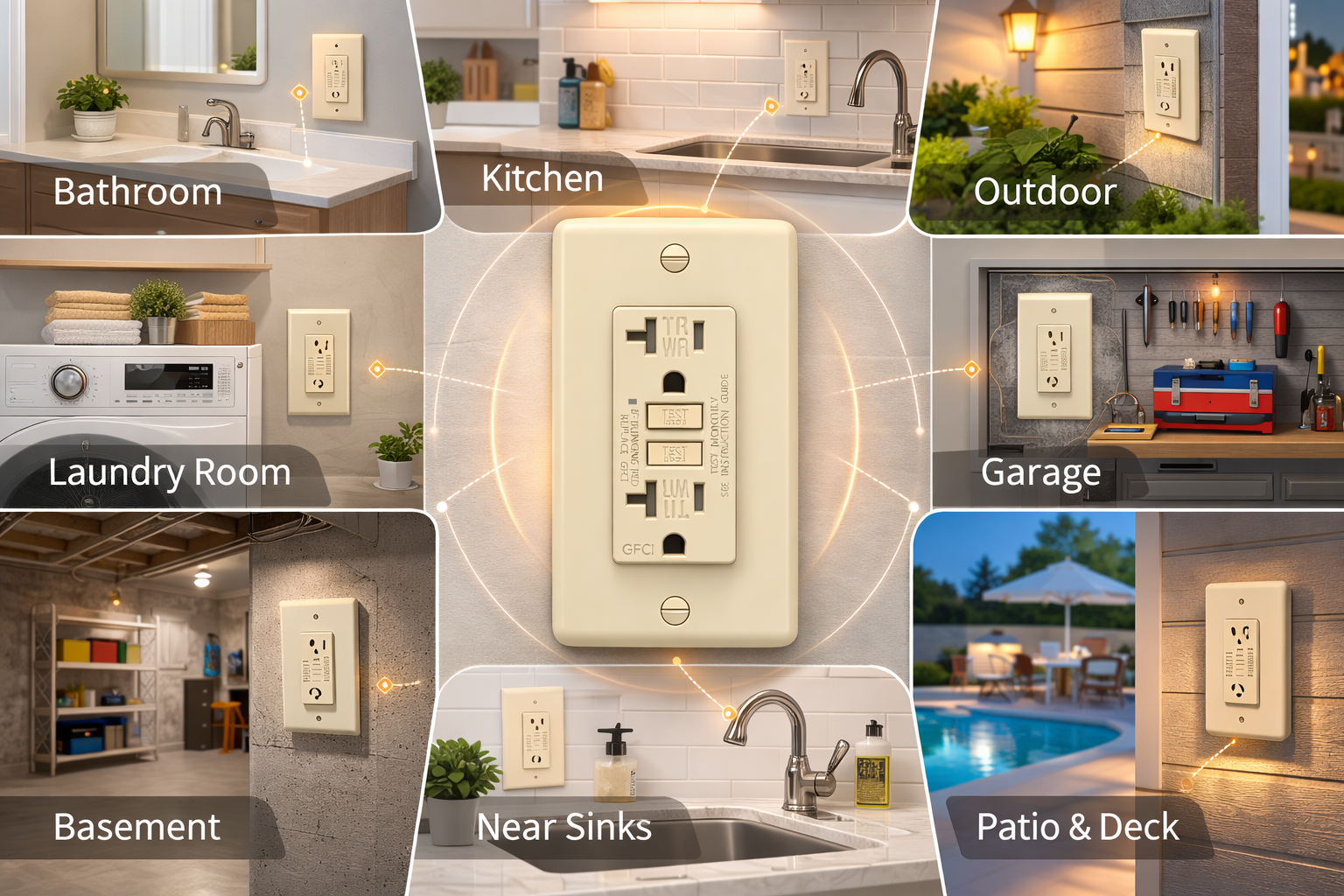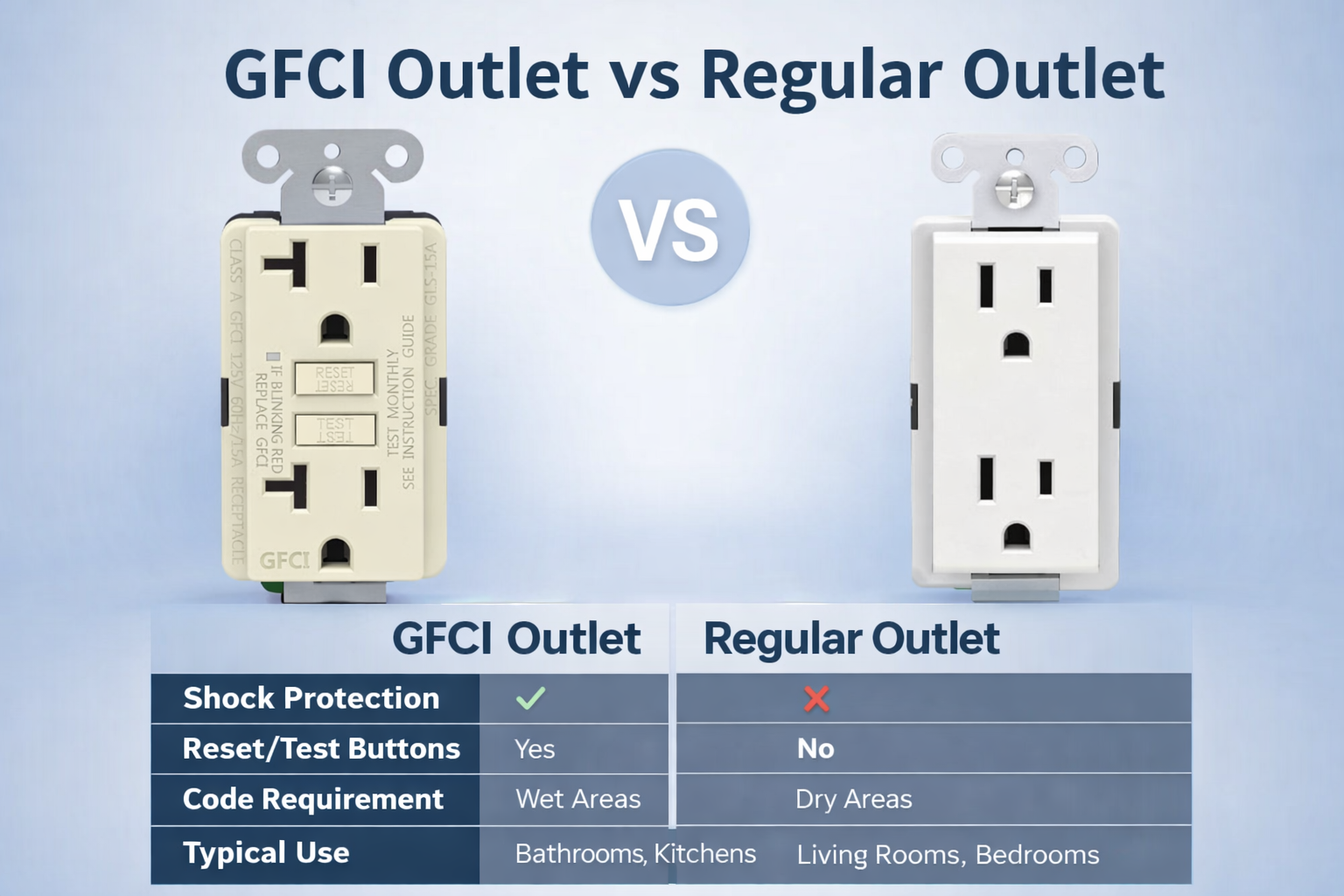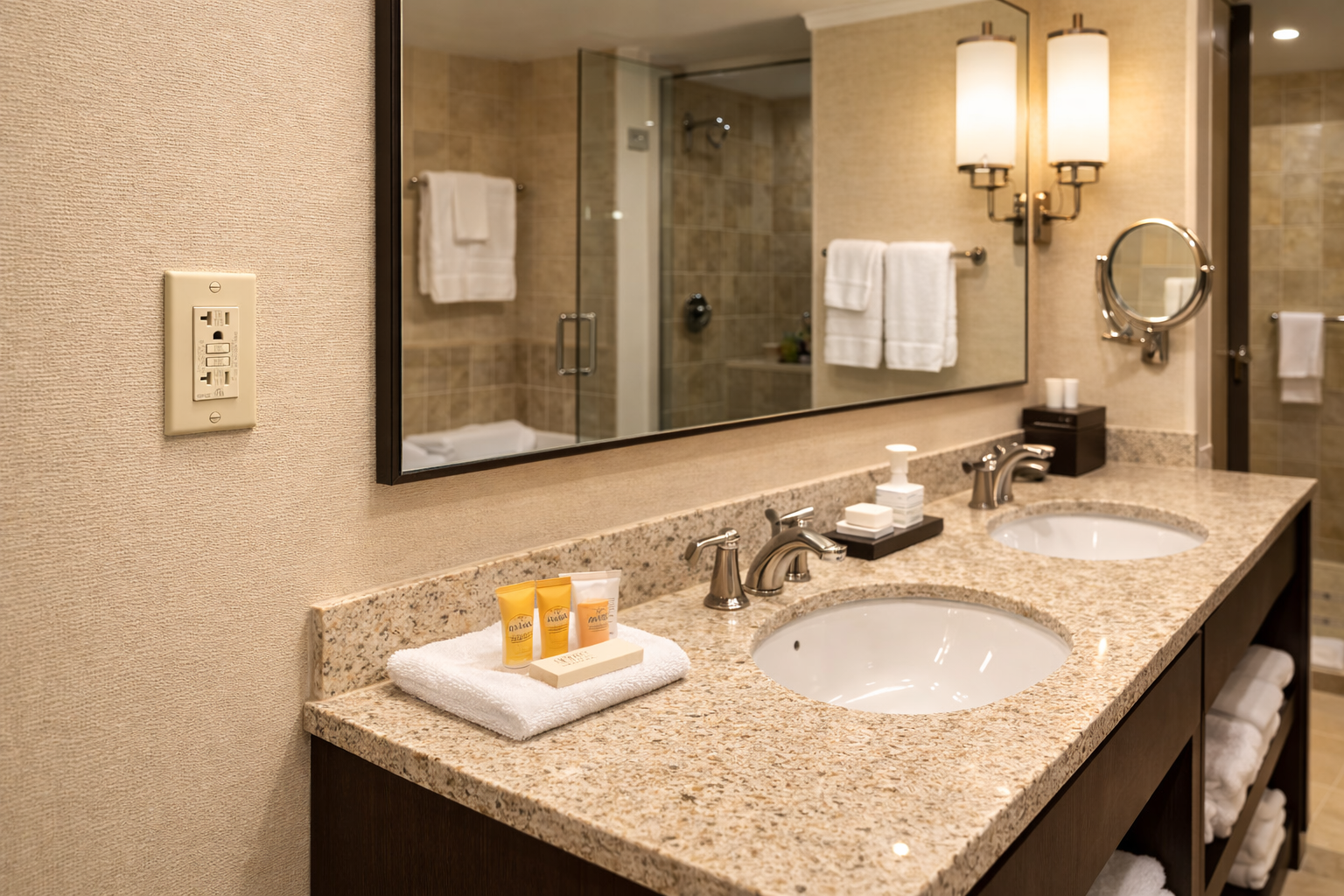
In many modern homes and commercial spaces, GFCI outlets are no longer optional. They are required in kitchens, bathrooms, laundry areas, and outdoor locations to protect users from electrical shock.
At the same time, the appliances connected to these circuits have changed. Refrigerators now use inverter compressors. Washing machines rely on variable-speed motors. Even small devices like chargers and coffee machines contain switching power supplies.
This combination creates a common complaint:
“Why does my GFCI keep tripping when nothing seems wrong?”
In many cases, the issue is not a fault. It is nuisance tripping—a protective device reacting to conditions it interprets as unsafe, even when no immediate hazard exists.
To reduce these interruptions without compromising safety, you need to understand both sides: how GFCIs work, and how modern appliances behave electrically.
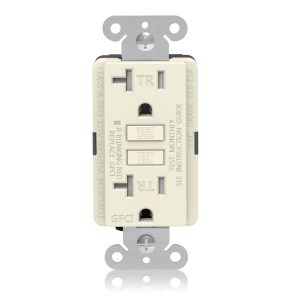
What Is a GFCI? Why Does Nuisance Tripping Happen?
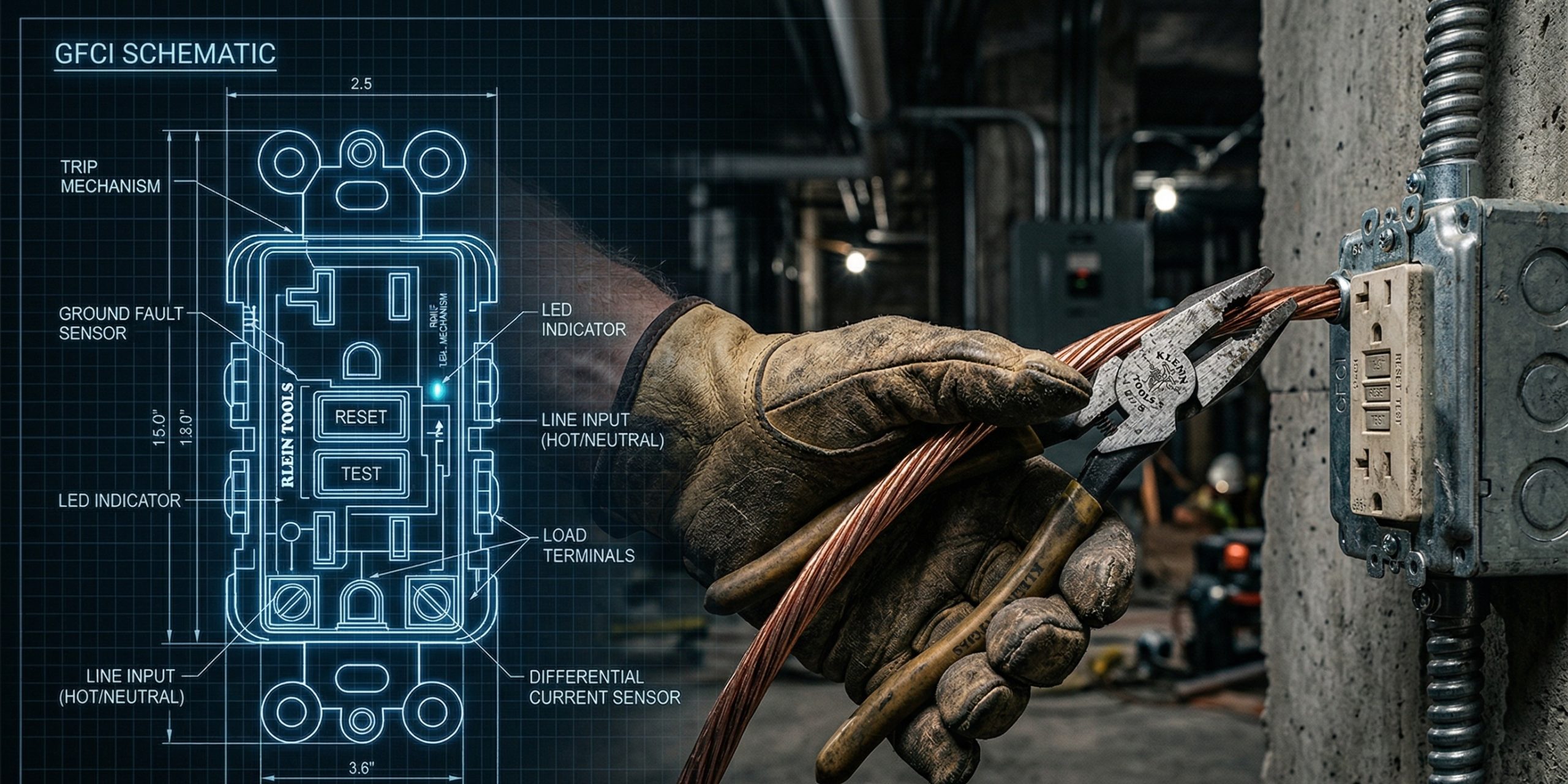
A Ground Fault Circuit Interrupter (GFCI) monitors current flow between the hot and neutral conductors. If the difference exceeds 4–6 mA (Class A standard), it trips in about 25 milliseconds to prevent shock.
The issue arises with modern loads. Traditional GFCIs are tuned for 60 Hz sine waves. ENERGY STAR appliances use inverter motors, variable frequency drives (VFDs), and switching power supplies. These generate high-frequency noise (up to 150 kHz) and low-level leakage currents. A single appliance might stay under threshold, but multiple on the same circuit add up—cumulative leakage pushes past 5 mA, and the GFCI opens.
Other contributors include inrush currents at motor startup (compressors, pumps) and inductive spikes when cycling off. These transients mimic a fault to a standard GFCI.
In August 2025, UL 943 added Supplement SB—Optional High Frequency—HF Rating. This supplemental test evaluates GFCIs for immunity to weighted differential currents below a set limit across frequencies. Class A GFCIs marked “HF” tolerate higher high-frequency leakage without nuisance trips, while preserving 60 Hz sensitivity. The NEC 2026 edition references this in Section 210.8 Informational Note 2, guiding installers toward HF-marked devices for variable-speed loads.
Understanding this distinction changes how we approach installations. Standard GFCIs remain safe for basic loads. For modern kitchens, laundry rooms, or garages, HF compatibility makes a measurable difference.
Common Appliances That Frequently Trip GFCI Outlets
Certain appliances stand out as repeat offenders. Their power electronics create the exact signals that trigger standard GFCIs.
- ENERGY STAR refrigerators and freezers: Inverter compressors produce high-frequency leakage and cycling spikes when the unit starts or stops.
- Washing machines and dishwashers: Variable-speed motors and pumps generate startup surges and inductive kickback.
- High-efficiency HVAC systems: VFD-driven air conditioners and heat pumps run at frequencies well above 60 Hz.
- Induction cooktops: High-frequency switching in the coils leaks current that accumulates quickly.
- EV chargers and power tools: Inverters and battery management systems add high-frequency noise.
- LED lighting strings, smart plugs, chargers: Multiple low-level capacitive leaks sum up on shared circuits.
In practice, one appliance alone rarely trips the GFCI. The problem compounds when a kitchen has a fridge, microwave, and LED under-cabinet lights on the same protected circuit. We’ve seen service calls drop sharply when these loads move to dedicated or HF-protected lines.
Common Installation & Wiring Issues
Bad wiring amplifies appliance-induced trips. These issues often hide until a sensitive load appears.
Shared neutrals top the list. Multi-wire branch circuits with one neutral serving multiple hots create return path imbalances that GFCIs detect as faults.
Long wire runs increase capacitive leakage to ground. Downstream receptacles add more paths, pushing cumulative current higher.
Reversed polarity or loose neutral connections at the GFCI pigtail disrupt monitoring. Poor grounding lets stray currents flow unpredictably.
Moisture plays a big role in wet locations. Condensation in basements, bathroom steam, or outdoor rain seeps into boxes or covers, creating conductive paths.
Aging GFCIs (over 5–10 years) lose calibration. Internal components drift, making them more prone to false trips.
These aren’t rare edge cases. In remodels or new builds, we check shared neutrals and grounding first when nuisance complaints start.
How to Prevent GFCI Nuisance Tripping
Prevention comes down to three priorities: isolate loads, upgrade devices, and maintain the system.
- Assign dedicated circuits to problem appliances. Refrigerators, freezers, microwaves, and HVAC units perform best alone. No downstream loads means less cumulative leakage.
- Upgrade to HF-rated GFCIs. Look for the “HF” mark per UL 943 Supplement SB. These devices filter high-frequency noise while tripping on real 60 Hz faults. In our testing and field feedback, they cut nuisance trips by a wide margin on inverter loads.
- Test systematically. Unplug everything from the circuit, reset the GFCI, then plug devices back one by one. Identify the culprit quickly—often it’s the newest high-efficiency unit.
- Fix environmental and wiring basics. Use weather-resistant (WR) GFCIs with in-use covers outdoors. Ensure dry boxes in damp areas. Verify correct line/load connections and solid grounding.
- Limit cumulative sources. Keep LED strings, smart devices, and chargers on separate circuits or non-GFCI lines where code allows.
- Maintain regularly. Press TEST/RESET monthly. Replace GFCIs older than 5–10 years—newer models include better auto-monitoring.
Faith Electric’s UL/ETL-listed GFCI receptacles incorporate high-frequency compatibility features aligned with these updates. Designed for North American contractors and procurement teams, they reduce callbacks while delivering full safety.
Follow these steps, and most nuisance issues resolve without compromising protection.
Are GFCI Trips Always a Problem?
No. A trip signals either a real hazard or a compatibility mismatch.
Real faults include wet hands on a faulty appliance, damaged cords leaking current, or internal shorts. These demand immediate attention—unplug, inspect, repair or replace.
Nuisance trips lack visible danger. The circuit resets easily, no burning smell, no sparks. These stem from high-frequency leakage, cumulative effects, or installation quirks discussed above.
Key indicators for professional help: GFCI won’t reset, trips with nothing plugged in (wiring or device fault), or repeated outdoor trips despite sealing.
Never bypass a GFCI. The device protects against shock even if the trip feels inconvenient. Address the root cause instead.
Choosing the Right GFCI for Modern Homes
Specifying the correct GFCI starts with the application.
Look for UL/ETL certification first—mandatory for North American code compliance.
Prioritize HF marking for homes with variable-speed appliances. These evaluate performance against high-frequency leakage up to 150 kHz, per UL 943 Supplement SB.
Add self-test/auto-monitoring (required in recent UL 943 editions) for ongoing reliability. Tamper-resistant features suit residential settings.
For wet locations, select weather-resistant (WR) models with corrosion protection.
USB-integrated options add convenience without extra circuits.
Faith Electric’s GFCI line targets these needs. Built with 28 years of North American market experience, our receptacles offer HF-compatible design, tamper-resistant construction, and full UL/ETL listing. They pair well with our USB outlets, standard receptacles, switches, and wall plates for complete in-wall solutions.
Contractors tell us the reduced service calls make the switch worthwhile.
Conclusion
Modern appliances bring efficiency but challenge traditional GFCIs through high-frequency leakage and cumulative effects. Nuisance tripping doesn’t mean the device or appliance failed—it means the system needs adjustment.
Dedicated circuits, HF-rated GFCIs, systematic testing, and proper installation resolve most cases. Safety stays intact; convenience improves.
At Faith Electric, we engineer products for these realities. Our UL/ETL-certified GFCIs minimize nuisance trips in real-world North American homes and jobsites. Explore our full range or reach out for project-specific advice. Reliable protection starts with the right component