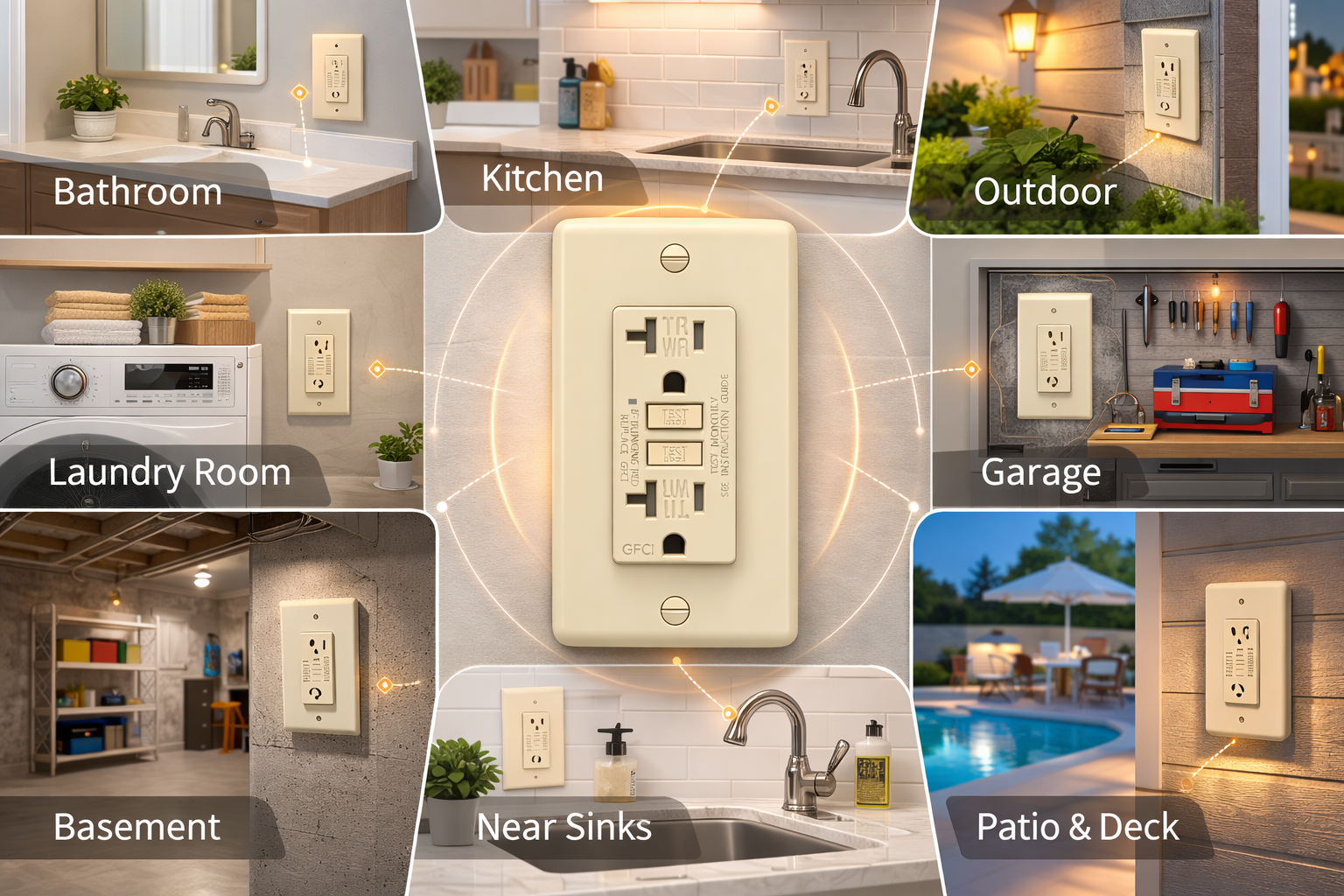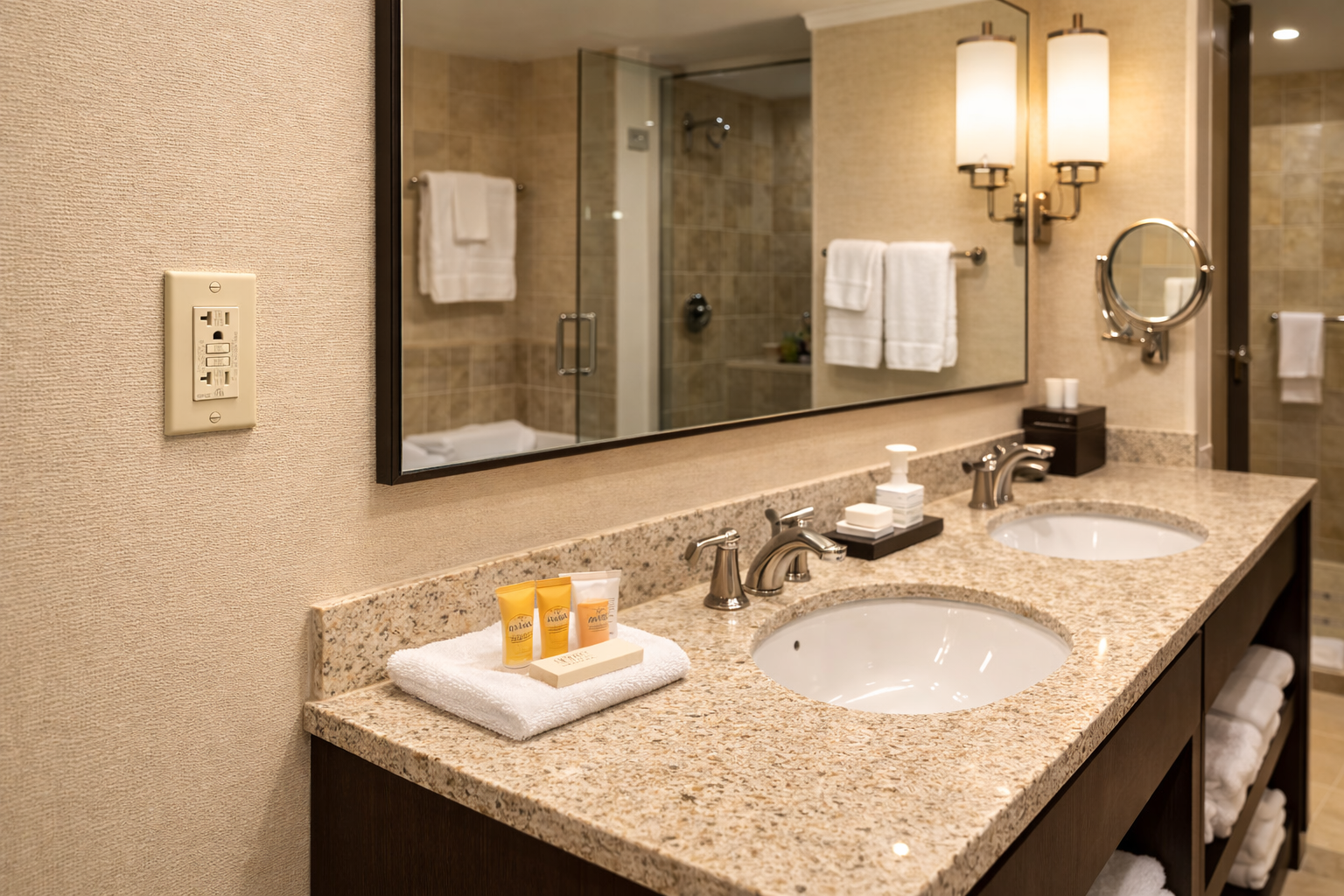
Hotel bathrooms see constant use. Water is everywhere. Guests plug in hair dryers, electric shavers, chargers. A ground fault here can cause serious shock. That’s why GFCI outlets are required. They detect small current leaks—4-6 milliamps—and cut power in milliseconds. In hotels, the stakes are higher: guest safety, liability, code inspections, insurance. Choosing the right GFCI isn’t just about compliance. It’s about reliability under heavy daily use.
At Faith Electric, we’ve supplied UL/ETL-listed GFCI products to North American contractors and hotel projects for 28 years. We focus on commercial-grade solutions that last in high-traffic environments like hotel bathrooms.
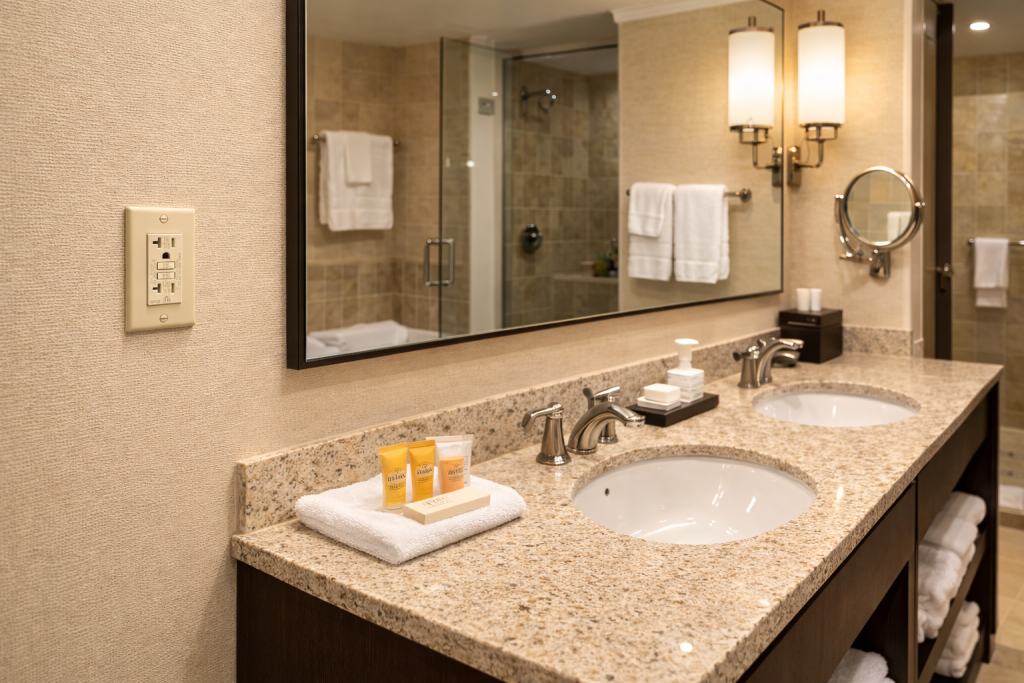
Why GFCI Outlets Are Essential for Hotel Bathrooms
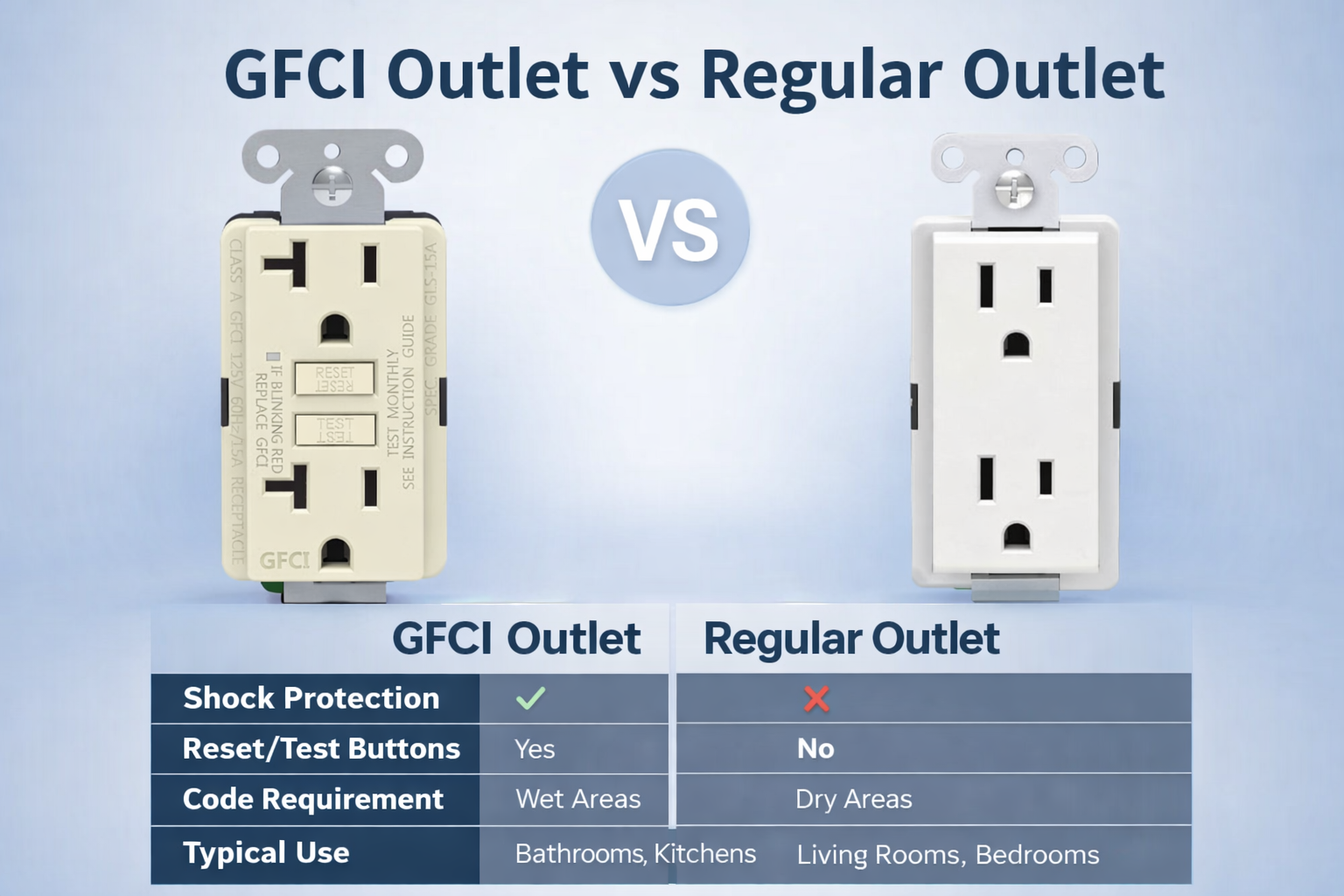
Bathrooms combine water and electricity. Steam from showers. Wet hands. Slippery floors. A ground fault can happen fast. Standard outlets don’t protect against this. GFCI outlets do.
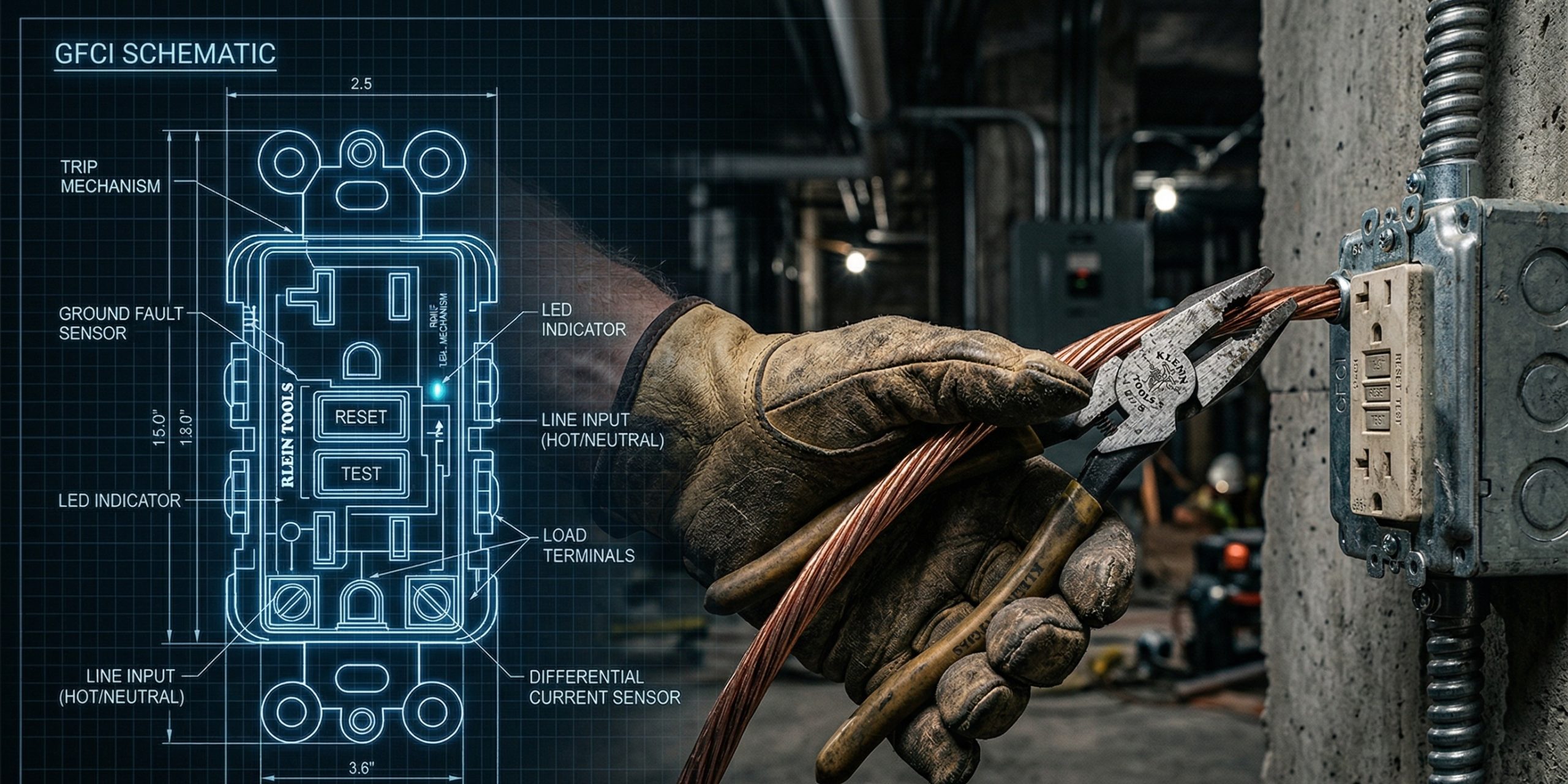
They monitor current flow between hot and neutral. Any imbalance triggers a trip. Protection happens before the shock becomes dangerous. In hotels, this matters for every guest room bath. Frequent use wears out cheap residential models quickly. Trips become common. Maintenance calls increase. Guests complain. In worst cases, incidents lead to claims.
Good commercial GFCI reduces those risks. It handles repeated plugging. It stays reliable. It keeps the property compliant and quiet.
NEC Requirements for GFCI Outlets in Hotel Bathrooms
The National Electrical Code is clear. Hotels fall under “Other Than Dwelling Units.” Section 210.8(B)(1) requires GFCI protection for all qualifying receptacles in bathrooms.
In the 2023 NEC (still the basis in 2025-2026 in most jurisdictions), this covers:
- All 125-volt through 250-volt receptacles on single-phase branch circuits rated 150 volts or less to ground and 50 amperes or less.
- All receptacles on three-phase branch circuits rated 150 volts or less to ground and 100 amperes or less.
- Installed in bathrooms.
No distance limit like in some residential rules. If it’s a bathroom receptacle in a hotel guest room, it needs Class A GFCI (5 mA trip level). Protection can come from a GFCI receptacle itself or an upstream GFCI breaker. Most hotel bathrooms use receptacle-level protection—easier to test and replace locally.
Compliance avoids failed inspections. It lowers insurance premiums. It shows due diligence if an incident occurs. Skip it, and the risk is real.
Key Features to Look for in Hotel-Grade GFCI Outlets
Not every GFCI works well in a hotel. Residential models fail fast under daily abuse. Focus on these features for hospitality projects.
- UL/ETL Listing and NEC Compliance — Must meet UL 943. Class A for personnel protection.
- Commercial Grade Construction — Built for high-cycle use. Brass contacts. Heavy-duty straps. Thermoplastic body that holds up.
- Self-Testing — Automatic testing every few hours or daily. LED shows status. Cuts manual checks. Modern codes push this hard.
- Tamper-Resistant (TR) — Shutters block foreign objects. Essential in family hotels or rooms with kids.
- Weather/Moisture Resistance — Sealed face. Corrosion-resistant parts. Handles steam without nuisance trips.
- Visual Indicators — LED power/ground fault lights. Maintenance staff spot issues fast during walkthroughs.
- Optional USB Ports — Dual USB charging built in. Guests love it near mirrors—no extra adapters needed.
- 15A or 20A Rating — Match circuit needs. 20A common for hotel specs.
Skip residential-grade. They trip more. They wear out in 2-3 years. Commercial versions last 5-10 years with less hassle.
Best GFCI Outlets for Hotel Bathrooms (2026 Recommendations)
We select based on durability, self-test reliability, tamper-resistant design, moisture handling, and value for hotel bulk purchases.
Faith Electric ETL/UL Listed Self-Test GFCI Outlets GLS-20A Tamper/Weather-Resistant Ivory
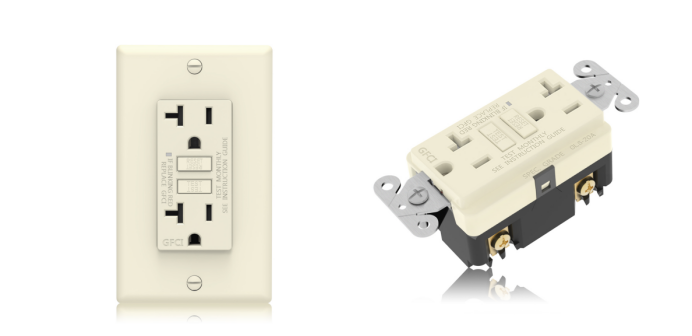
This is our primary recommendation for hotel bathrooms. It is a 20A/125V self-test GFCI receptacle with ETL and UL listings, meeting or exceeding UL 943 2015 standards.
Key features for hospitality use:
- Automatic self-test runs periodically to ensure ongoing protection.
- Tamper-resistant (TR) shutters block foreign objects—ideal for family guest rooms.
- Weather-resistant (WR) construction with UV-resistant, sealed materials handles steam and humidity without frequent nuisance trips.
- Green LED indicator shows power and function status for quick maintenance checks.
- Easy back/side wiring, slim profile fits standard boxes.
- Rated 20A/125V/2500W—suitable for hair dryers, chargers, and typical bathroom loads.
Package includes the receptacle, screws, installation manual, and stickers (wallplates sold separately).
It pairs seamlessly with our USB receptacles, switches, and wall plates for uniform bathroom installations. Designed for high-traffic commercial environments, it offers stable bulk pricing, reliable supply, and proven performance in North American hotels.
This model provides strong hotel value: reliable self-test and TR protection, excellent moisture resistance, long-term durability, and cost-effective volume ordering. Stick with one consistent spec for simpler procurement and fewer maintenance issues.
Installation Tips for Hotel Bathroom GFCI Outlets
Install correctly the first time. Mistakes cause nuisance trips or failed tests.
- Place within reach of vanity but protect all receptacles in the bathroom per 210.8(B).
- Use chain protection if needed: GFCI covers downstream standard outlets.
- Wire properly: LINE to incoming power, LOAD only if protecting downstream.
- Test immediately after install: Press TEST (power off), RESET (power on).
- Label clearly: “GFCI Protected” stickers help maintenance.
- For renovations: Standardize on one spec across floors. Reduces inventory headaches.
- Always pull permit and have licensed electrician verify.
Common Mistakes and Issues in Hospitality GFCI Projects
We see these often on job sites.
- Buying residential GFCI — Trips every steam shower. Fails in months.
- Ignoring self-test — Staff forget monthly manual tests. Faulty unit stays in place.
- No moisture resistance — Steam trips legitimate but frequent. Upgrade to sealed models.
- Poor wiring — Mixing LINE/LOAD. Downstream not protected.
- Skipping TR — Kids insert objects. Nuisance or hazard.
- Common trip causes: Hair dryer faults (internal leak). Old wiring degradation. Steam buildup. Fix by checking appliances and upgrading to better GFCI.
Address these early. Saves callbacks.
FAQs About GFCI Outlets for Hotel Bathrooms
Do hotel bathrooms need monthly manual testing?
Yes. Press TEST button monthly. Reset after. Self-test helps but doesn’t replace it fully.
Is self-test enough to skip manual checks?
No. Codes still recommend manual. But self-test catches failures faster.
Should we add USB charging?
Yes if near mirrors. Guests charge phones, toothbrushes. Keeps counters clean.
How long do commercial GFCI last in hotels?
5-10 years typical. Depends on usage. Replace if LED shows fault or test fails.
How to cut nuisance trips?
Choose moisture-resistant. Self-test models. Inspect guest appliances.
Conclusion
Hotel bathroom safety starts with proper GFCI. Follow 2023 NEC 210.8(B)(1). Pick commercial-grade with self-test, TR, moisture resistance. It protects guests. Reduces liability. Lowers long-term costs.
Faith Electric builds these for exactly this: North American hotels, contractors, procurement teams.
Our UL/ETL GFCI stands up to daily use. Pairs with our full line for consistent installs.