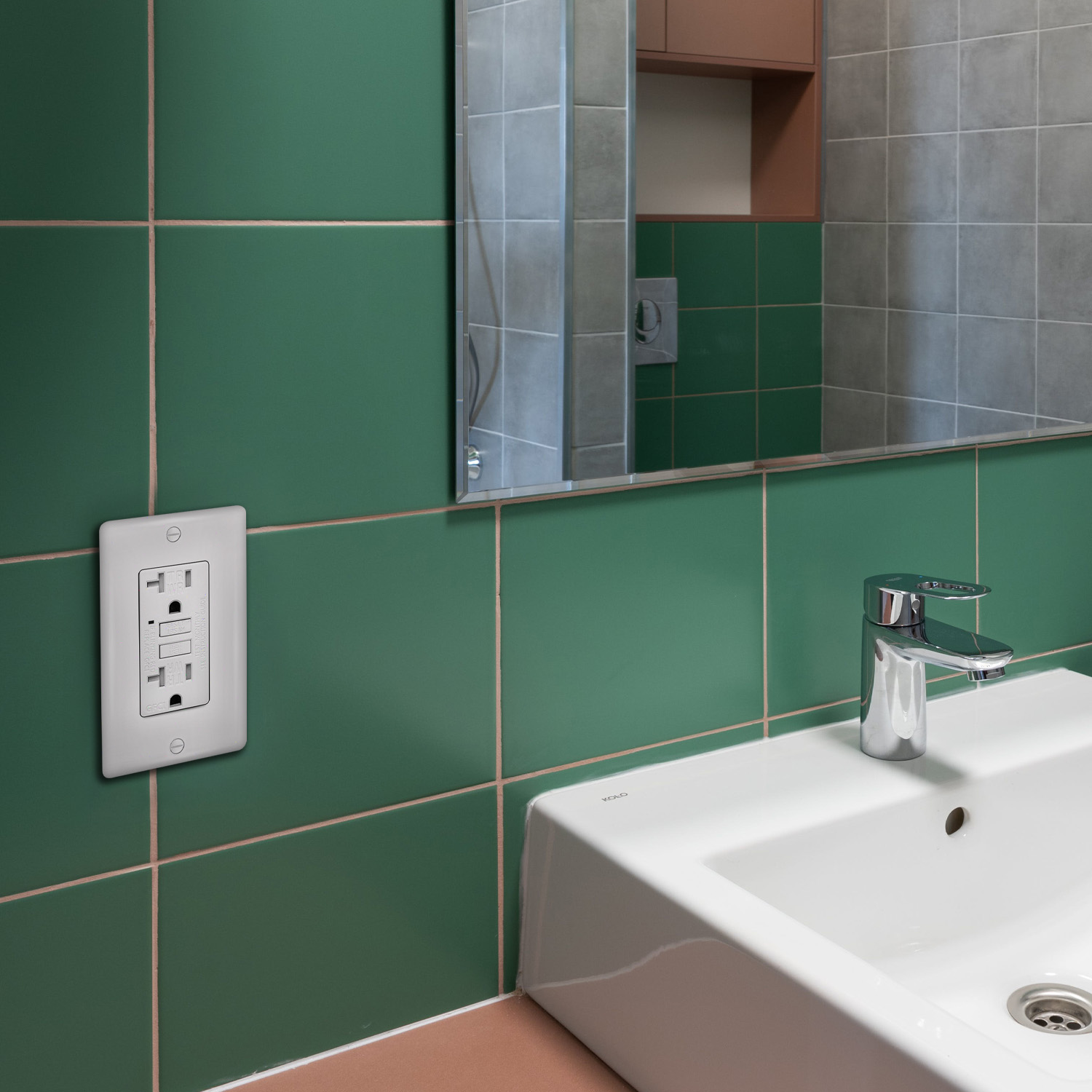
Electrical safety is a core concern in any commercial building. Offices, restaurants, warehouses, retail stores, and industrial facilities all operate with extensive electrical systems. In many of these environments, electricity and moisture can exist in close proximity. That combination creates a real risk of electrical shock. This is where GFCI outlets become essential.
In the United States, the National Electrical Code (NEC) requires Ground Fault Circuit Interrupter (GFCI) protection in many commercial locations. These requirements are primarily defined in NEC Article 210.8(B), which covers electrical installations in buildings other than dwelling units.
In practical terms, this means many outlets in commercial buildings must have GFCI protection, especially in areas where water, damp conditions, or outdoor exposure may be present.
Understanding where and why GFCI outlets are required helps contractors, facility managers, and project buyers ensure both code compliance and electrical safety.
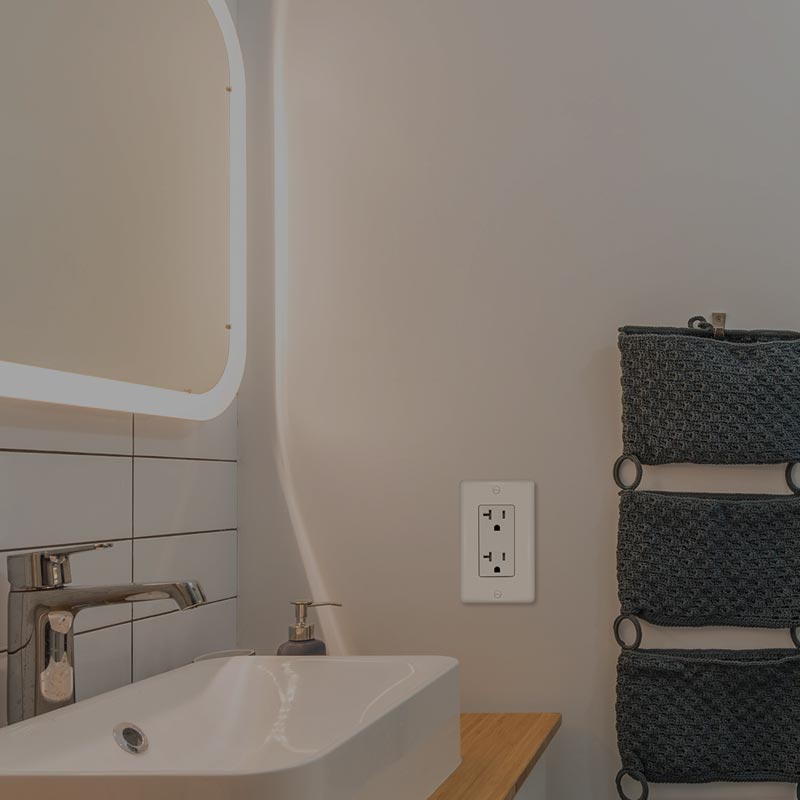
What Is a GFCI Outlet?
A GFCI (Ground Fault Circuit Interrupter) is a safety device. It monitors current flowing out on the hot wire and back on the neutral. If it detects an imbalance of 4–6 mA (a ground fault), it trips in less than 1/40 of a second. That quick action stops current through a person’s body before serious injury occurs.
There are three main types:
- GFCI receptacles — Installed at the outlet. Most common in walls. They have TEST and RESET buttons.
- GFCI circuit breakers — Mounted in the panel. Protect the entire downstream circuit.
- Portable GFCI — Plug-in adapters for temporary use with tools or equipment.
Commercial jobs usually need the first two types. They must be Class A (personnel protection, 4–6 mA trip) and listed to UL 943. Many also include self-test features and LED indicators for status.
In short: GFCI is simple technology, but it saves lives in wet or damp conditions.
Does the NEC Require GFCI in Commercial Buildings?
No blanket rule says every receptacle in a commercial building needs GFCI.
NEC 210.8(B) requires it only in specific locations listed in the code.
These are areas where people face higher shock risk from water, dampness, or equipment.
The 2023 edition expanded the scope.
It now covers all 125-volt through 250-volt receptacles supplied by:
- Single-phase branch circuits rated 150 volts or less to ground, 50 amperes or less.
- Three-phase branch circuits rated 150 volts or less to ground, 100 amperes or less.
This is a big change from earlier cycles, which focused mostly on 125 V, 15–20 A devices.
Higher voltages and currents are now included because commercial equipment often uses them.
Local authorities (AHJ) adopt the NEC, sometimes with amendments.
Always check your jurisdiction’s adopted edition and any local changes.
Required Locations for GFCI in Commercial Buildings (2023 NEC 210.8(B))
The 2023 code lists 15 locations where GFCI protection is required.
We measure distance using the shortest path without going through walls, floors, or ceilings.
Here is the full list:
- Bathrooms
- Kitchens
- Areas with sinks and permanent provisions for food preparation, beverage preparation, or cooking (e.g., office break rooms)
- Buffet serving areas with permanent provisions for food serving, beverage serving, or cooking (new in 2023)
- Rooftops
- Outdoors
- Sinks — receptacles or cord-and-plug connected fixed/stationary appliances within 6 ft (1.8 m) of the top inside edge of the sink bowl
- Indoor damp and wet locations
- Locker rooms with associated showering facilities
- Garages, service bays, motor fuel dispensing facilities, and similar areas (other than vehicle exhibition halls/showrooms)
- Crawl spaces at or below grade level
- Unfinished portions or areas of basements not intended as habitable rooms
- Laundry areas
- Bathtubs or shower stalls — within 6 ft
- Aquariums, bait wells, and similar open aquatic vessels — within 6 ft (new in 2023)
Exceptions exist (six total in 2023, grouped at the end of the section).
They cover things like assured equipment grounding programs in industrial settings or certain dedicated heating/equipment circuits.
Read the exact exception text for your project.
These locations target real hazards.
A break room sink or rooftop HVAC outlet can be just as dangerous as a bathroom receptacle.
GFCI Requirements: Commercial vs Residential (210.8(B) vs 210.8(A))
Residential and commercial rules look similar on paper, but they serve different environments.
| Aspect | Residential (210.8(A)) | Commercial (210.8(B)) |
| Main focus | Home living spaces, family safety | Workplaces, employee/public protection |
| Voltage/Current coverage | 125–250 V, similar branch circuit limits | Same voltage, but supports higher 3-phase loads (≤100 A) |
| Number of locations | Around 11–12 key areas | 15 locations (more, with commercial-specific items) |
| Key examples | All kitchen receptacles, bathrooms, garages, outdoors, laundry | Kitchens + buffet serving areas, rooftops, aquariums, break rooms with sinks |
| Appliance emphasis | Many hardwired appliances now included (e.g., ranges, dryers) | Focus on receptacle locations and cord/plug fixed equipment near water |
| Typical use case | Single-family homes, apartments | Offices, restaurants, warehouses, retail, schools |
Residential rules expanded appliance coverage in recent cycles.
Commercial rules added more location-based items—like buffet areas and aquariums—to close gaps in food/beverage and water-related setups.
Pick the section that matches your occupancy type.
Mixed-use buildings may need both.
Risks of Not Installing Required GFCI
Skipping GFCI where required creates serious problems.
First, shock hazard. A ground fault in a damp area can send current through a person instead of the ground path. Even small currents cause falls, burns, or death.
Second, inspection failure. Inspectors catch missing GFCI during rough-in or final. That means rework, delays, and possible fines.
Third, liability and insurance issues. An accident tied to non-compliant wiring can lead to lawsuits or denied claims. Many policies require current code adherence.
Fourth, business downtime. A shutdown for corrections stops operations. In restaurants or retail, that hits revenue hard.
GFCI devices cost little compared to these risks. Install them right the first time.
How to Choose Commercial-Grade GFCI Outlets
Look for these must-haves on commercial projects:
- UL/ETL listing to UL 943 (Class A for personnel).
- Tamper-resistant (TR) if required by local rules.
- Support for 125–250 V range and the circuit amperage.
- Weather-resistant (WR) for outdoor/rooftop use.
- Self-testing/auto-monitoring (many 2023-era devices have this).
- Easy TEST/RESET access and clear status indicators.
Types to consider:
- Standard GFCI receptacle — Wall mount, protects downstream if wired correctly.
- Feed-through GFCI — Protects multiple outlets on the same circuit.
- GFCI breaker — Good when you want panel-level protection.
- Combination USB/GFCI — Handy in break rooms or offices.
Avoid cheap residential-grade devices on commercial jobs.
They may not hold up to heavier use or higher loads.
At Faith Electric, we build UL/ETL listed GFCI receptacles specifically for North American contractors. Our lineup covers standard, WR, and combo USB models. They pair well with our AFCI, switches, and wall plates for full wall solutions.
If you have a project coming up, reach out. We can send samples or spec sheets.
Final Thoughts
NEC 210.8(B) does not require GFCI everywhere in commercial buildings. But in the 15 listed high-risk locations, it is mandatory under the 2023 code. The expanded voltage range and new items (buffet areas, aquariums) close previous gaps.
Check your local adopted code and AHJ requirements early. Use listed commercial-grade devices. Test them monthly after install. Safety and compliance go hand in hand.
We’re here to help with the right products for your next job. Drop a comment or contact us if you have questions about a specific space.