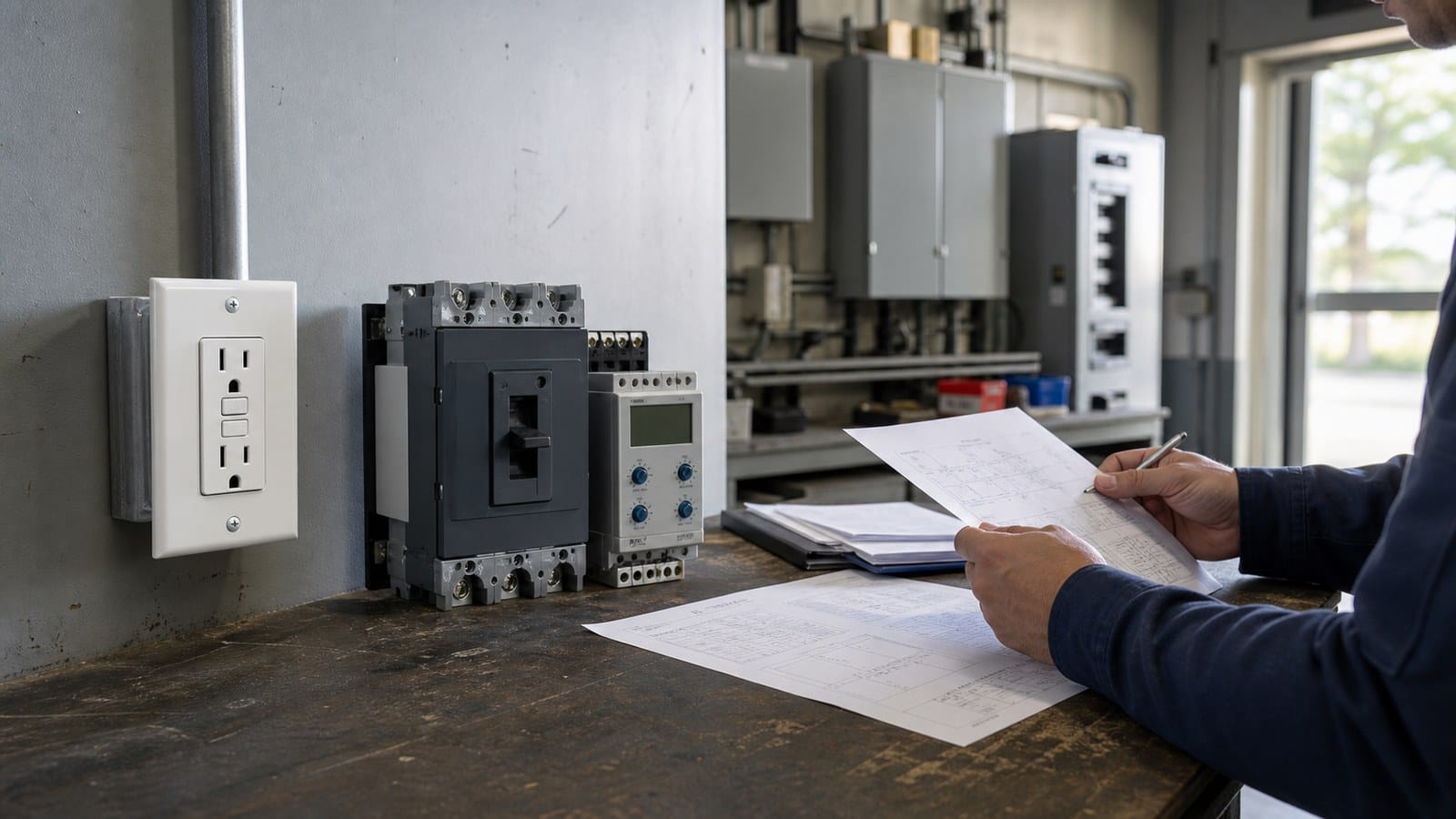
As a manufacturer with 28 years focused on UL/ETL certified electrical products for the North American market, we see GFCI outlets fail more often than people realize. Surge events, normal wear, or moisture exposure can degrade them over time. When that happens, the protection against shock disappears. Testing monthly catches problems early.
A Ground Fault Circuit Interrupter (GFCI) outlet monitors current flow between the hot and neutral wires. If it detects an imbalance of 4-6 mA—current leaking to ground, perhaps through a person—it cuts power in less than 1/40 of a second. This simple mechanism has reduced electrocutions dramatically since the 1970s.
The National Electrical Code (NEC) requires GFCI protection in specific wet or damp locations in homes. These include bathrooms, kitchens, garages, outdoors, basements (all portions), laundry areas, sinks (within 6 feet), and more. Many installations use one GFCI to protect downstream standard outlets, so a problem upstream can affect several spots.
Modern GFCI receptacles often include auto-monitoring that checks electronics periodically, but manual testing remains essential. The Consumer Product Safety Commission (CPSC), NFPA, and manufacturer guidelines all recommend testing at least once a month, after installation, and after power outages. Skip it, and you risk relying on a device that no longer works.
Preparation Before Testing
Do a quick visual check first. Look for cracks, burn marks, discoloration, or unusual smells on the outlet face. Any of these means replace it immediately—do not test or use it.
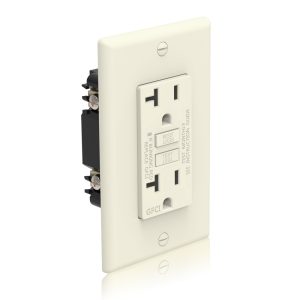
Locate the TEST (usually red) and RESET (usually black or marked) buttons in the center. Some models have an LED indicator: green for normal, red or off when tripped or failed.
Make sure the outlet has power. Plug in a small nightlight, table lamp, or radio. It should turn on. If the RESET button pops out or won’t stay in, the device has tripped or reached end of life.
Gather a simple load for testing—a nightlight or lamp works best because you see the on/off clearly. Avoid phone chargers or devices with their own protection circuits.
Unplug everything else from the GFCI and any downstream outlets. Work with dry hands. If you feel unsure at any point, stop and call a licensed electrician.
Step-by-Step Manual Testing Procedure
This is the standard method recommended by CPSC, NFPA, and UL 943 guidelines. Use the built-in TEST button with a load connected—it simulates real-world conditions better than a plug-in tester alone.
- Reset the GFCI
Press the RESET button firmly. You should hear a click and feel it latch in. The button should sit flush or slightly recessed. If it won’t stay down, check upstream breakers or wiring issues first. No latch means the device is faulty.
- Plug in and power the test load
Insert the nightlight or lamp into the GFCI outlet. Turn it on. The light should come on immediately. This confirms the outlet is powered and wired correctly at the start.
- Press the TEST button
Push the TEST button hard. Expect a sharp click sound as the internal relay trips. The RESET button should pop out. The test light must turn off instantly—no delay. On models with LEDs, the indicator may change to red or go off. If you hear nothing, see no pop, or the light stays on, the GFCI has failed.
- Verify and reset
Confirm the light is completely off—true Power outage. Then press RESET again. It should latch in with a click, and the light should come back on. If the button won’t stay down or the light doesn’t return, the device is defective.
Many GFCIs protect downstream outlets (labeled “LOAD” terminals). To check this chain:
- Plug the test light into a downstream standard outlet.
- Repeat the TEST step on the upstream GFCI.
- The downstream light should also go off.
- Reset and confirm both restore power.
Test all GFCIs this way monthly. It takes under a minute per outlet but confirms the entire protected circuit.
Optional: Using a GFCI Outlet Tester
A plug-in tester with a GFCI button helps diagnose wiring issues like reversed polarity or open ground. Insert it, press the tester’s TEST button, and watch for the GFCI to trip plus indicator lights on the tester.
This method is useful for initial install checks but not a full substitute for the load-based manual test. Official sources prioritize the built-in button with a connected device.
Common Problems and Quick Fixes
Here are the issues we see most often in the field:
- RESET button won’t stay pressed
Likely reversed line/load wires, no incoming power, or end-of-life failure. Check breakers and upstream GFCIs first. If wiring looks correct, replace the unit.
- Trips right after reset
Real ground fault somewhere—moisture, damaged cord, faulty appliance. Unplug everything, reset, then plug items back one by one to isolate the culprit.
- No power at all
Upstream GFCI tripped, breaker off, or loose connection. Trace back to the protecting GFCI or panel. For GFCI breakers in the panel: turn fully off then on after clearing load.
- Frequent nuisance trips
Age, surge damage, or environmental wear. Test monthly; replace if consistent.
- Downstream outlets dead but GFCI ok
Chain protection—reset the upstream GFCI.
Replace any failed GFCI immediately. Typical lifespan is 10-15 years, though quality units can reach 15-25 with good conditions. Factors like outdoor exposure or frequent surges shorten it.
Why Choose UL/ETL Certified GFCI Outlets
Certification to UL 943 ensures the device meets strict trip timing, surge resistance, and self-test requirements. Cheaper or uncertified options often fail sooner or miss subtle faults.
At Faith Electric, we build UL/ETL listed GFCI receptacles specifically for North American contractors and homeowners. Our 28 years of experience go into durable designs with reliable auto-monitoring, clear indicators, and full downstream protection. We also offer matching USB outlets, standard receptacles, switches, and wall plates for complete wall solutions. Contact us now for a free sample.
Final Safety Notes
Never bypass a GFCI that keeps tripping—it signals a real hazard. Test every GFCI in the home regularly. In high-risk areas like bathrooms, kitchens, and outdoors, consider tamper-resistant models if children are present.
If testing fails or you spot damage, replace the outlet and have a licensed electrician verify wiring. A few minutes of monthly checks keep the protection active when it matters most.
Questions about GFCI selection or installation? Reach out—we’re here to help contractors and end-users get it right.

References / Data Sources:
https://www.nfpa.org/